
In the race toward digital efficiency, many lenders have embraced desktop appraisals and automated valuation models as cost-effective alternatives to traditional property assessments. While these technologies offer undeniable speed and cost advantages, they create a dangerous blind spot that can expose lenders to significant financial risk. The absence of physical property inspection means critical condition issues, structural problems, and value-impacting factors remain hidden until they become costly problems. Understanding what gets missed—and why physical property condition reports remain essential—is crucial for lenders seeking to balance efficiency with prudent risk management.
The Financial Impact of Missed Property Issues
The financial consequences of missed property condition issues extend far beyond initial lending decisions, creating ongoing risks that affect loan performance, property values, and borrower relationships.
Unexpected repair costs represent immediate financial stress for borrowers and potential payment capacity issues for lenders. Major system failures or structural problems discovered after closing can require repair costs that exceed borrower resources, potentially affecting loan performance. Foundation repairs, roof replacements, and major system overhauls can cost $20,000 to $50,000 or more.
Property value adjustments based on actual condition can affect loan-to-value ratios and equity positions. If physical inspection reveals significant problems not apparent in desktop assessment, actual property values may be substantially lower than appraised values. This situation creates immediate equity concerns and affects refinancing options.
Insurance claim complications often arise when property condition issues contribute to damage claims. Insurance companies investigate claim history and property condition when processing claims, and pre-existing condition issues can affect coverage decisions. Properties with known maintenance issues may face coverage limitations or higher premiums.
Resale complications emerge when property condition issues affect marketability. Buyers increasingly conduct thorough inspections, and condition issues identified during sales processes can derail transactions or require seller concessions. Properties with condition issues often experience longer marketing periods and lower sale prices.

How Property Condition Reports Address These Gaps
Professional property condition reports provide comprehensive assessment of actual property conditions, addressing the information gaps that desktop assessments cannot fill. These reports offer lenders detailed information about property condition, maintenance needs, and potential risk factors.
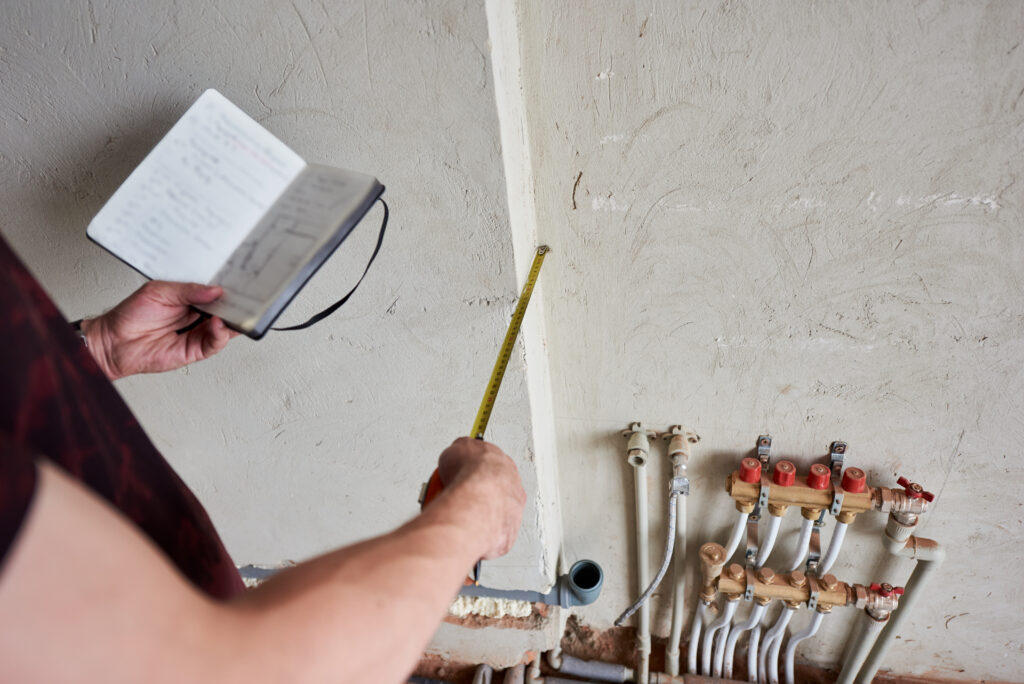
Comprehensive property inspection covers all major property systems and structural elements. Trained inspectors evaluate foundations, roofing, electrical systems, plumbing, HVAC equipment, and other critical components. This systematic approach ensures that significant condition issues are identified and documented before they become expensive problems.
Documentation and photography provide detailed records of property condition at specific points in time. This documentation proves valuable for insurance purposes, maintenance planning, and future transactions. Detailed photographs and condition descriptions create permanent records that support decision-making and risk assessment.
Professional expertise ensures that condition assessment follows industry standards and identifies problems that untrained observers might miss. Professional inspectors understand building systems, code requirements, and condition indicators that reveal potential problems. Their training and experience enable identification of both obvious problems and subtle indicators of developing issues.
Risk assessment and prioritization help lenders understand which condition issues require immediate attention and which represent longer-term concerns. Professional reports typically categorize findings by severity and urgency, enabling informed decision-making about property condition risks.
Cost estimation for identified issues provides lenders with information about potential repair costs and their impact on property values and borrower finances. Understanding repair costs helps lenders assess loan risks and borrower capacity to address property maintenance needs.

The Role of Property Condition Reports in Modern Lending
Property condition reports complement rather than compete with desktop assessment technologies. The most effective approach combines the speed and efficiency of digital analysis with the thoroughness and accuracy of physical inspection.
Risk stratification enables lenders to use desktop assessments for lower-risk transactions while requiring physical inspection for higher-risk properties. Property age, value, location, and transaction characteristics can guide decisions about when physical inspection provides the most value for risk management.
Quality assurance through physical inspection validates desktop assessment assumptions and identifies situations where available data doesn’t accurately reflect property conditions. This validation process improves overall assessment accuracy and reduces unexpected surprises that affect loan performance.
Enhanced decision-making results from comprehensive information that includes both market data and physical condition assessment. Lenders can make more informed decisions about loan terms, insurance requirements, and borrower counseling when they understand both market conditions and property-specific risks.
Regulatory compliance considerations may require physical property assessment for certain loan types or risk categories. Government-sponsored enterprise guidelines and regulatory requirements increasingly recognize the importance of property condition assessment for risk management.
Desktop assessment technologies have transformed lending by providing speed, efficiency, and cost advantages that support modern mortgage origination. However, these technologies cannot replace the comprehensive risk assessment that physical property condition reports provide. The most successful lending strategies recognize that different tools serve different purposes and that comprehensive risk management requires understanding both market conditions and actual property conditions.
The question for lenders isn’t whether to use desktop assessment or physical inspection—it’s when each tool provides the most value for risk management and customer service. Property condition reports fill critical information gaps that desktop assessments cannot address, providing lenders with comprehensive information needed for sound lending decisions.
Understanding what gets missed when physical inspections are skipped enables lenders to make informed decisions about when additional property assessment provides value for risk management, customer protection, and long-term loan performance.
Ready to enhance your property assessment process with comprehensive condition information? Discover how TrendSource Property Condition Reports provide detailed, professional property assessment that complements digital tools with thorough physical inspection and expert analysis.